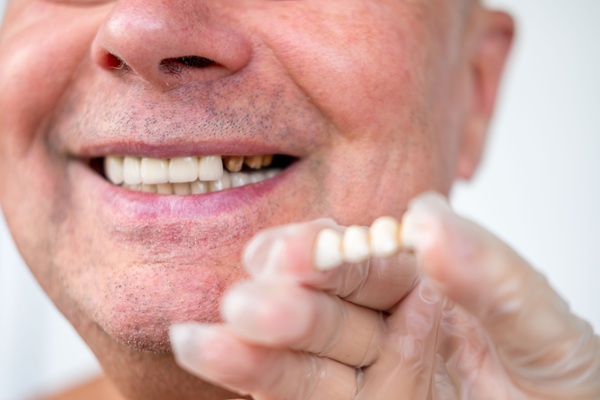
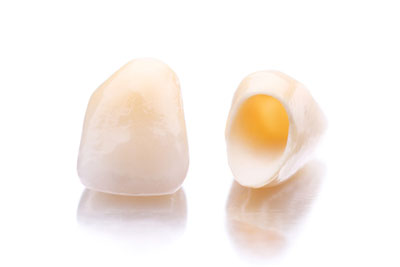
A dental crown is also called a dental cap, or just a cap for short since they are prosthetics that we mold to fit your teeth. These crowns will fit your teeth perfectly and provide a covering over the damaged enamel. Sometimes, dental crowns will fit just over the top portion of your teeth, and at other times, they will replace the entire tooth and fuse with a dental implant to give you a brand new tooth. When covering the tooth with a cap is the best option for the overall health of the mouth, we turn to the dental crown.
What are dental crowns used for?
There are a number of uses for a dental crown besides repairing damaged teeth. We will begin to consider dental crowns as a solution when the tooth is so far broken down, a normal filling can no longer hold the tooth together and prevent decay. If the tooth fractures or the crack is so deep, the tooth literally needs to be held together, we will then use dental crowns.
In addition to this restorative work, dental crowns can also act as a complete replacement for missing teeth. We can easily fabricate a full dental crown and attach it to the abutment of a dental implant. Since we can use any number of materials, we can make the dental crowns appear extremely realistic to the point where no one will be able to tell that there is a fake tooth.
How are dental crowns attached or placed?
Most times, it takes two appointments to place dental crowns. One important thing to remember is that dental crowns are a permanent prosthetic, meaning an individual cannot take them out like dentures. We will first file down the teeth to remove any defects or decay and to make room for the dental crowns. Then we will measure the teeth and take detailed imprints to help manufacture the dental crowns.
At the end of this first visit, we will place temporary crowns over the shaved teeth and set your next appointment. At the next appointment, we will attach your permanent crowns and cement them into place once we have a perfect fit.
A loose dental crown can make chewing feel awkward and leave the tooth underneath more exposed to damage. Because a dental crown covers and protects a weakened or treated tooth, it is important to address movement as soon as possible. Even if the crown has not fallen off, a loose fit may allow bacteria, food…
When a person is missing one or more teeth but does not need a full set of dentures, dental bridges may be recommended to take the place of the lost teeth. The number of teeth that a dental bridge replaces may depend on several factors.Dental bridges consist of two or more crowns that attach to…
For patients in need of dental crowns, there are plenty of options available. Two of the most common choices are porcelain crowns and metal crowns (often with a porcelain overlay fused to the metal). Depending on a patient's specific circumstances, one of these crown types may be the preferred option.Metal crowns have the advantage of…
Dental crowns are a popular restoration option used by general dentists. Restorations are often needed when teeth are in bad shape, as they help bring the tooth back to life, thus encouraging good oral health. Good oral health then translates to one's overall health. According to the American Dental Association, dental crowns are a cover or…
Are you tired of loose dentures or tooth loss that impacts your daily life? All-on-4 implant treatment from a restorative dentist provides a permanent solution to restore your smile. Missing an entire arch of teeth changes everything from speaking to chewing and eating. Fortunately, modern restorative dentistry provides a straightforward way to a healthy and…
Most people grow up hearing that dental care means one checkup with a family dentist every six months. While that schedule works well for many patients, it is not the right fit for every smile. Some people benefit from more frequent visits because their oral health needs, habits, or medical history place them at a…
 What are