Getting Follow Up Care After Dental Implants
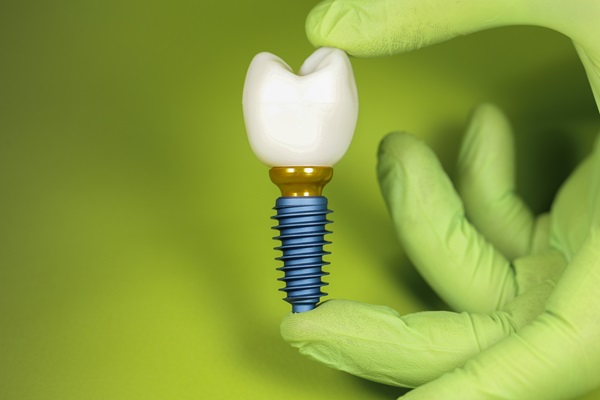
 Dental implants offer individuals the opportunity to regain a fully functioning set of teeth. The aftercare procedures are imperative to ensure the surgical area heals and implant osseointegration occurs. Osseointegration is the process by which the bone in the jaw fuses with the implant posts. This creates the solid foundation needed to support the apparatus. Following the dentist’s procedures for at-home care and adhering to a follow-up care schedule are important to the success of implants.
Why is follow-up care required?
The first year following surgery is the most critical time for healing. It can take up to 12 months for the process of osseointegration to occur. It is also the time when the gums are most vulnerable to infection. Implant failure is much more likely to occur during this period than at any time after that first year.
Procedures for follow-up appointments
During follow-up appointments, a dental professional assesses the gums, implants, and surrounding teeth to determine how well the patient is healing and whether there are any signs of complications. The appliance is artificial, but this does not mean that no care is required. Implants have the potential to last a lifetime when proper attention is given. Follow-up care often involves evaluation for the following conditions:
- Evidence of traumatic occlusion
- Signs of tissue inflammation
- Presence of bleeding when tissue is probed
- Indications of infection or presence of pus
- Accumulation of calculus or plaque
Taking an X-ray of the individual’s jaw is a common procedure in post-surgical care. It is possible for the patient to receive more than one over the first year following placement. The imaging allows for examining the condition of the bone, the dental implants, and surrounding anatomical structures.
Assessment in the first six weeks
Often, the first post-placement appointment is scheduled within two weeks of surgery. At this time, soft tissue is assessed for healing progress. Hard tissue, soft tissue, and the implant are examined for signs of infection. Often, a second appointment is scheduled for six weeks after the dental implants are placed. Soft-tissue healing is expected to be complete at this time.
Assessment every three to four months post placement
After the initial follow-up appointments, patients are generally scheduled for follow-up care every three to four months. This involves monitoring the progress of osseointegration as well as oral hygiene status. Procedures are reviewed or altered when necessary. The condition of the patient's implants and overall oral health determine the frequency of recommended follow-ups after the first year.
Assessments of bite force
At each appointment during the first year, dental professionals look for any indication that the patient is biting down on the implant with too much force. An individual who is diagnosed with bruxism may require a mouth guard to prevent damage to or failure of the implant. For others, it is imperative to refrain from using the implant to chew during the healing process.
Conclusion
Dental implants can be a good choice for replacing missing teeth. Ensuring success requires proper oral hygiene and an adherence to post-placement follow-up care.
Request an appointment or call Long Grove Dental at 847-636-5020 for an appointment in our Long Grove office.
Recent Posts
Tooth implants, or dental implants, are a common tooth-replacement option that uses an abutment and a prosthetic, such as a crown, bridge, or fixed dentures. There are three parts to the tooth implant process; however, surgery is required only for the placement of the implants. The other parts involve preparation and restoration. The word "surgery"…
Dental implants are one of the most popular forms of tooth restoration due to the range of benefits they can offer. By learning more about why so many are choosing dental implants to replace one or more missing teeth, patients can determine if they are the best option for them. Every patient has a different experience…
Dentists generally recommend dental implants as a natural choice for replacing missing teeth. If you play sports regularly, especially contact sports, you may be worried about continued participation after having your lost teeth replaced. This article covers what you need to know about playing sports with dental implants.Every sport has required skills, levels of fitness…